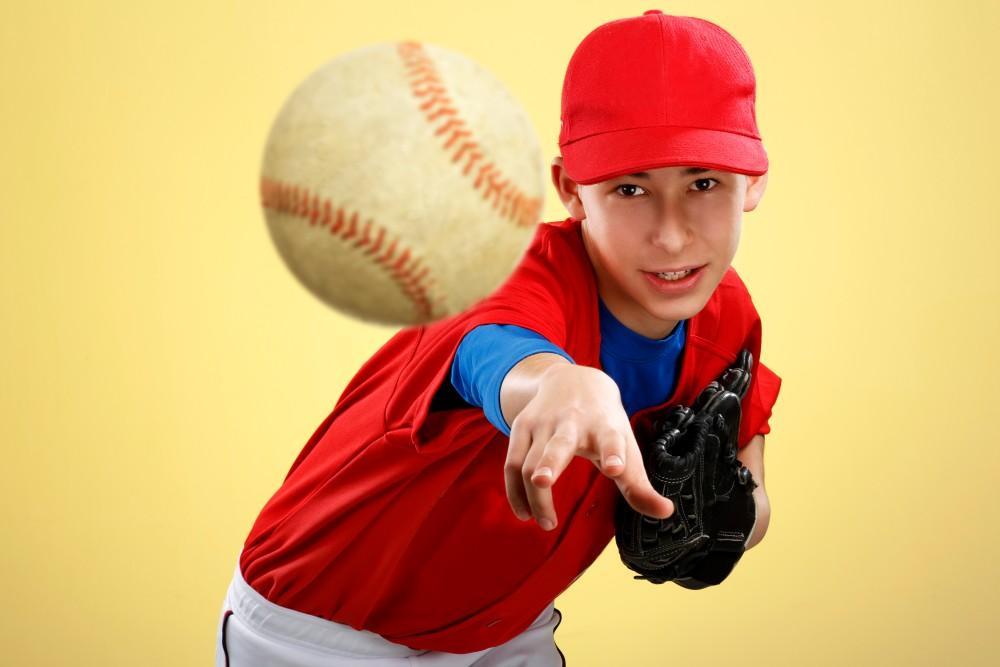
Your young pitcher walks off the mound rubbing the inside of their elbow. They say it’s “just a little sore,” and they can still throw. With another game coming up, should you be concerned?
Yes — especially if it keeps happening.
The ulnar collateral ligament (UCL) helps stabilize the inner side of the elbow during throwing. Repeated high-force pitching places tremendous stress on this ligament, and an injury doesn’t always begin with the dramatic “pop” people associate with a complete UCL tear.
In Houston, Texas, sports medicine specialist David Lintner, MD, has spent decades caring for throwing athletes, including Major League pitchers. Knowing the early warning signs can help you get your young athlete evaluated before a struggling elbow gets worse.
1. They have discomfort on the inside of the elbow
One of the most important clues is where your young pitcher feels symptoms.
UCL injuries typically cause discomfort or tenderness along the inner elbow. With an overuse injury, it may develop gradually rather than appearing after one particular pitch.
Pay attention if your child repeatedly mentions elbow soreness after pitching, starts icing the same spot after games, or says throwing hurts even though everyday activities feel fine.
In younger athletes who are still growing, elbow symptoms can also involve the growth plates. Either way, recurring elbow discomfort while throwing deserves an evaluation before they head back to the mound.
2. Their pitches are losing speed or control
Sometimes performance changes before a young athlete admits something hurts.
A pitcher with a struggling elbow may lose velocity, have trouble locating pitches, or feel like they can’t throw with their usual force. They may also alter their mechanics without realizing it as their body tries to compensate.
Every pitcher has a bad inning. A persistent change in performance, especially when paired with elbow discomfort or fatigue, is different.
Rather than encouraging your child to push through it, take the change seriously and give the arm a rest.
3. Their arm is tiring earlier than usual
Fatigue is an important warning sign for a young pitcher.
As muscles fatigue, the body may have more difficulty handling the forces generated during repeated throwing. Continuing to pitch through fatigue can place additional stress on the elbow.
That’s why the current MLB Pitch Smart recommendations emphasize pitch-count limits, required rest, time away from overhead throwing, and monitoring pitchers for fatigue.
Parents should also consider the athlete’s total workload. School baseball, travel teams, showcases, private training, and throwing at home add up even when each coach follows a pitch count.
4. The elbow feels stiff, swollen, or unstable
A UCL problem may also make the elbow feel stiff or swollen, particularly after throwing.
With a more significant injury, a pitcher may describe the elbow as loose or unstable during the throwing motion. A sudden pop, along with significant symptoms or an inability to keep throwing, needs prompt evaluation.
Don’t wait for that dramatic moment, though.
Protect your arm before the next pitch
The safest response to recurring elbow symptoms isn’t to see whether your child can make it through one more inning.
The American Sports Medicine Institute recommends stopping pitching when an adolescent pitcher develops elbow or shoulder pain and having the athlete evaluated by a sports medicine physician before returning to the mound.
Keep in mind that the evaluation doesn’t automatically lead to Tommy John surgery. Depending on your athlete’s age and the injury’s severity and location, Dr. Lintner may recommend rest, rehabilitation, changes in throwing workload, or other treatment.
When the UCL is significantly damaged and conservative treatment can’t restore the stability a throwing athlete needs, surgery may be appropriate.
If your young pitcher is developing inner-elbow symptoms, unusual fatigue, or changes in throwing performance, schedule an evaluation with Dr. Lintner in Houston.
Addressing a problem early gives you the chance to protect your athlete’s elbow — and their future on the field.